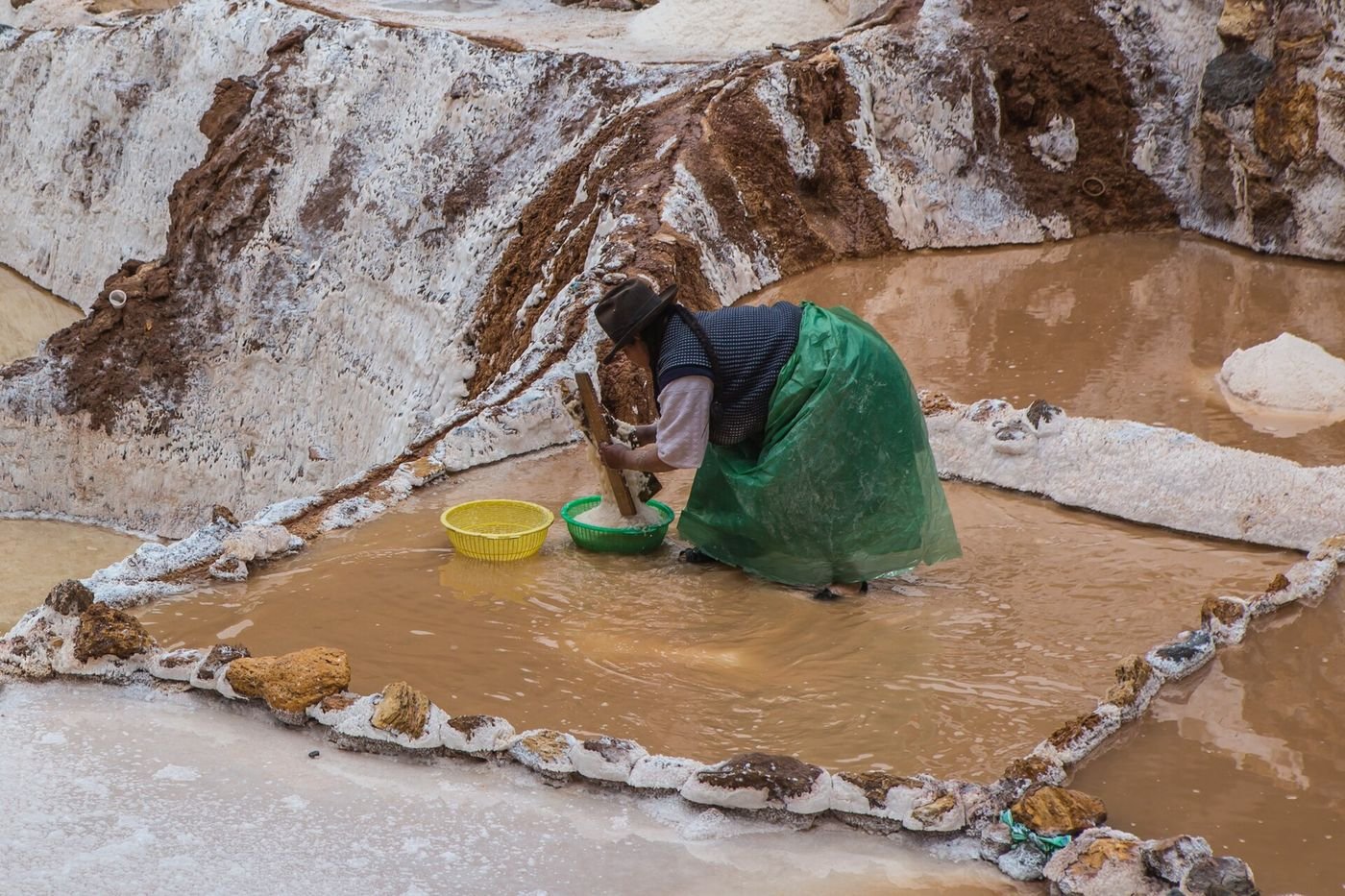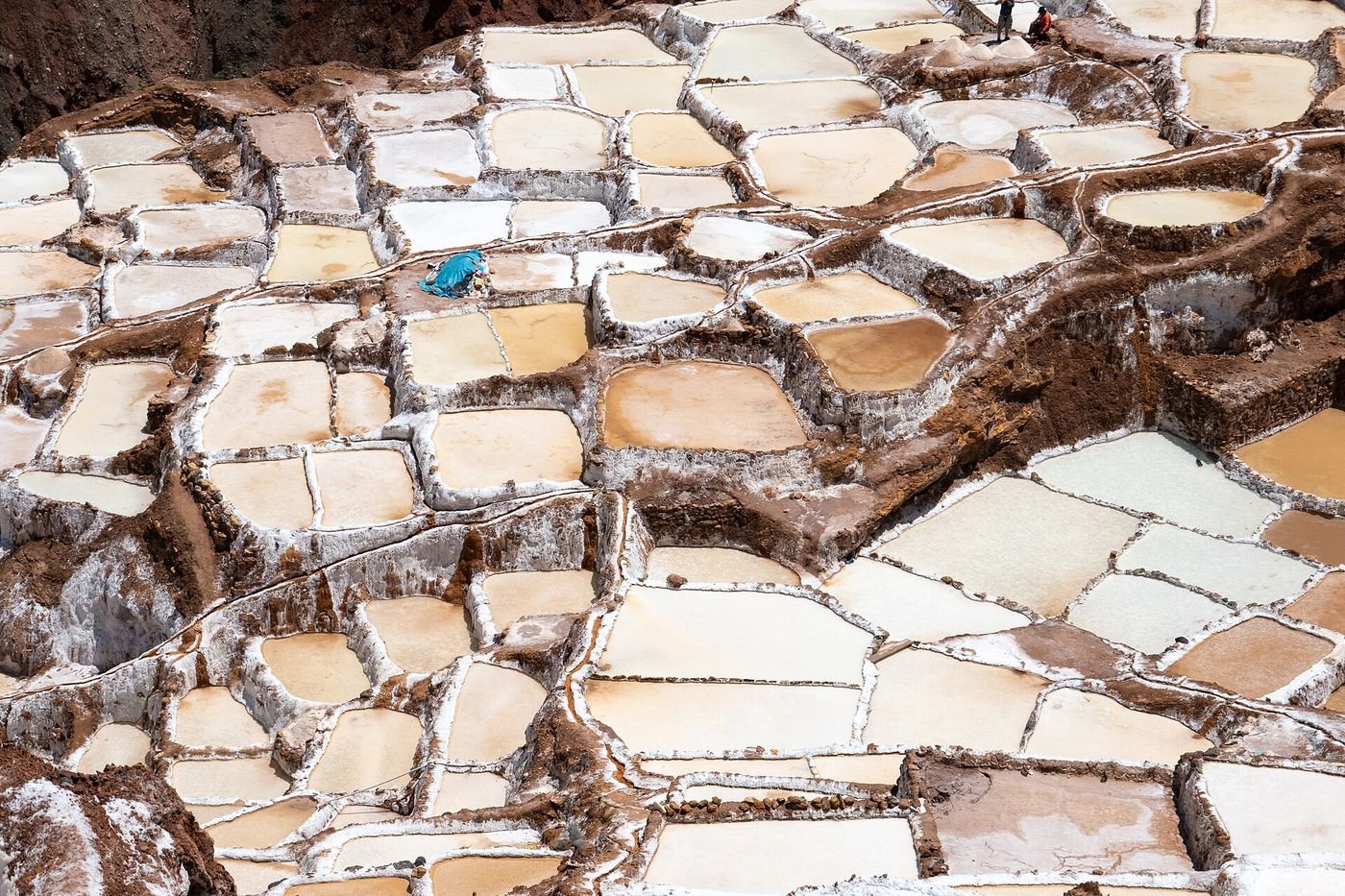
It began with my grandfather.
Before Salt of the Incas had a name, there was Justo Suarez.
My grandfather worked in the salt ponds of Maras, where the mountains of Peru meet thousands of ancient pools carved into the Sacred Valley. For him, Maras was not a destination. It was part of life—a place of work, family, and tradition.
“We do not make the salt. The mountain gives it to us, the sun reveals it, and we simply gather it.”
The Mountain's Gift
Before this pink salt rested in modern ceramic cellars or finished dishes in fine-dining kitchens, it was Justo's life's work.
High in the Peruvian Andes, over 10,000 feet above sea level, the air is thin and the sun is fierce. It was here, in the Sacred Valley of the Incas, that Justo worked the ancient salineras of Maras—just as our ancestors did hundreds of years before them.
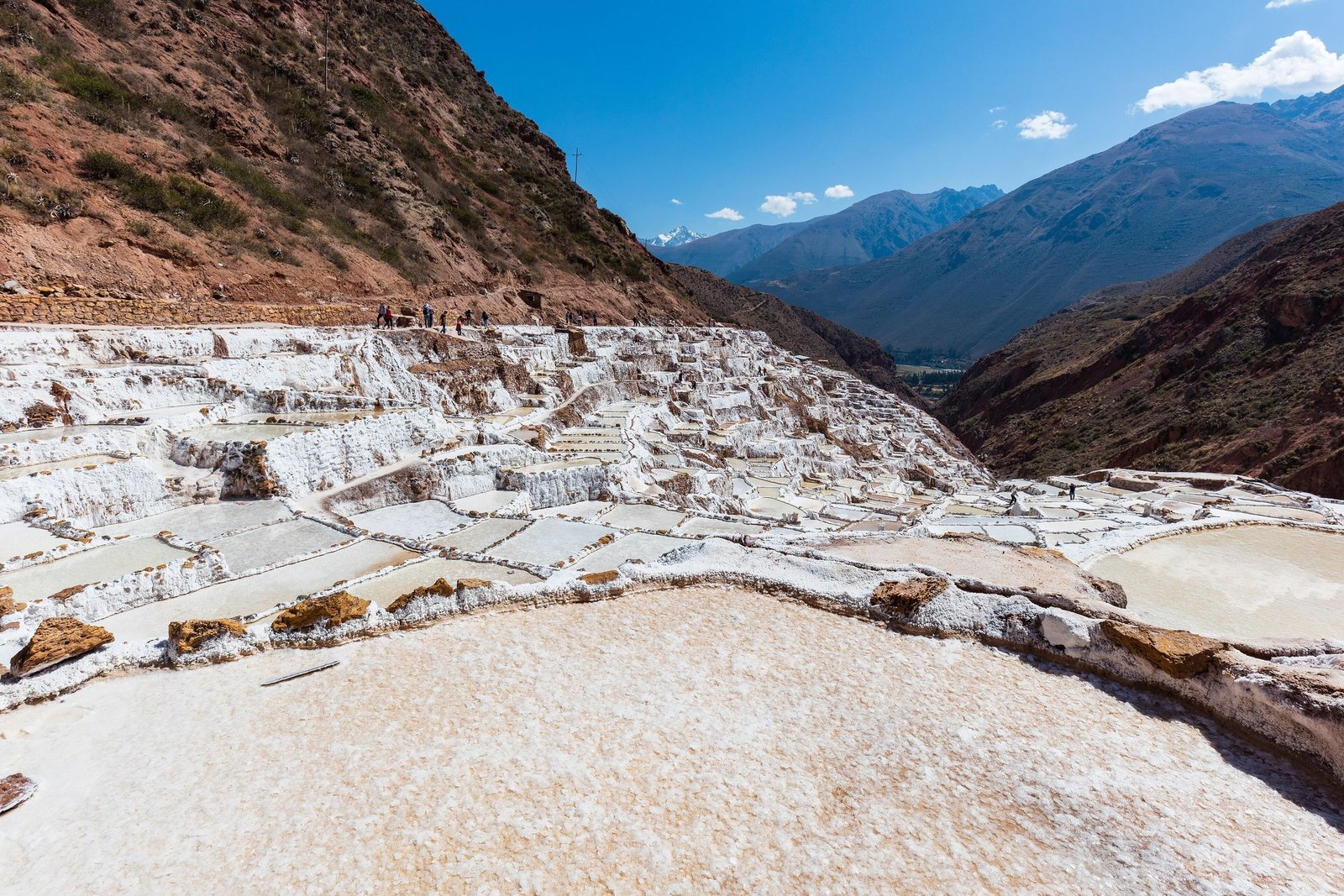
In the Sacred Valley, wealth is not measured in acres of land, but in terraces of water. Justo was not just a laborer; he was the proud owner and steward of our family's salinera.
The Legacy of Justo Suarez: Our Family's Salinera
To own a salinera in the Sacred Valley is to hold a living piece of pre-Incan history. For Justo, it was a sacred responsibility passed down through our bloodline.